
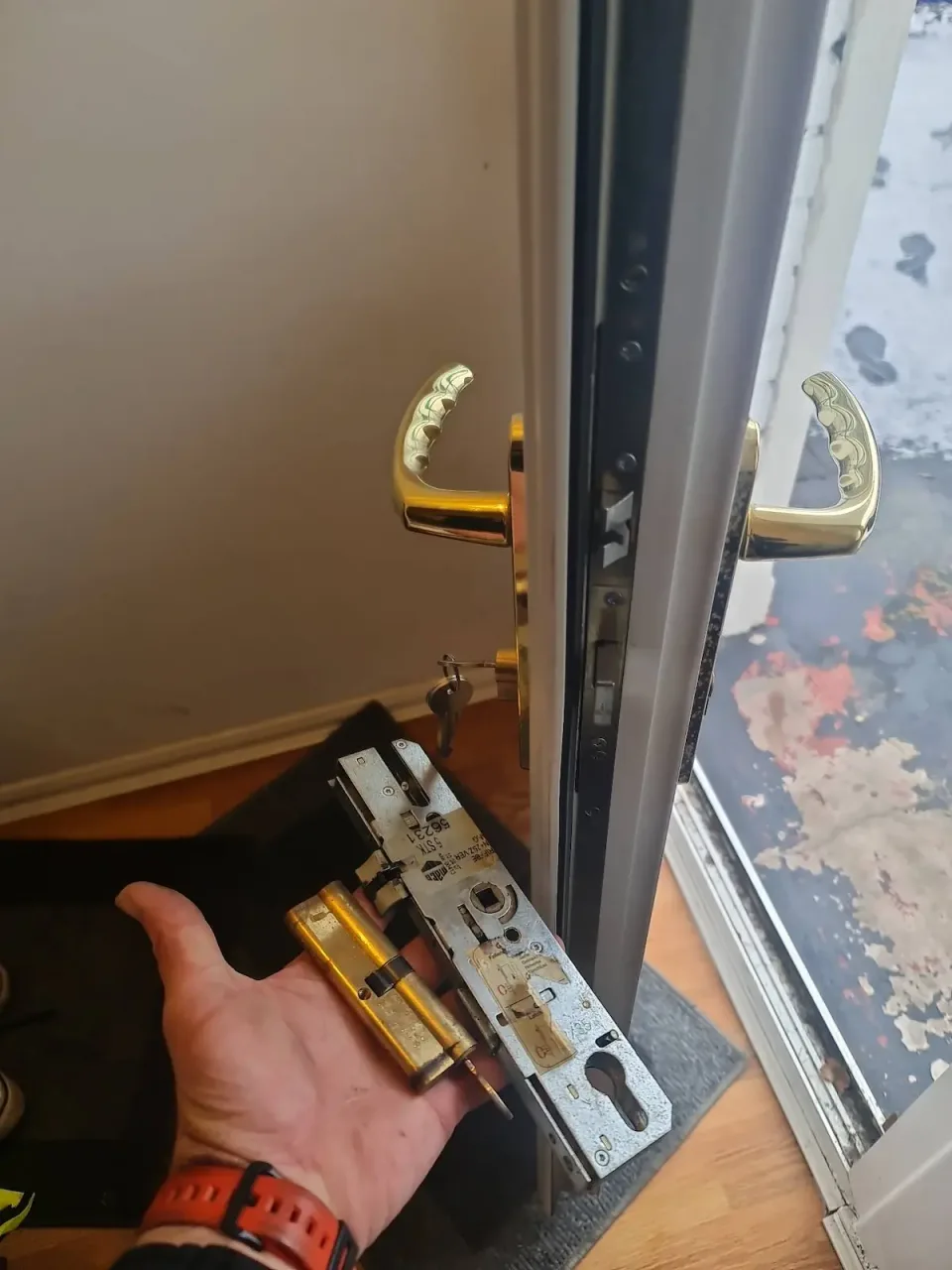
When to call us
- The key catches, feels rough or needs repeated attempts to turn.
- A nightlatch no longer catches reliably when the door closes.
- A mortice lock becomes difficult to use with the door shut.
- The lock feels loose, or the key turns without the expected result.
Pay attention to changes, not just complete failure
If you have started lifting, pulling or pushing the door unusually hard to lock it, mention that when booking. The extra effort may point to a problem beyond the key-operated part. A useful repair restores normal operation; simply changing a cylinder does not necessarily address a door that no longer closes correctly.
Repair when useful, replacement when necessary
Keeping serviceable hardware can be sensible, but not every lock can be repaired reliably. Damage, wear and the availability of compatible parts affect the decision. Call 020 3519 9290 to describe the problem. If the entrance cannot be secured or you are locked out, explain that at the start of the call.
What happens next
- Describe the pattern
Say when the problem began and whether it is constant or intermittent. Mention any recent change in how the door closes, without repeatedly forcing a reluctant key to demonstrate the fault.
- Separate the possible causes
The assessment considers the lock, its fittings and how the door meets the frame. Similar symptoms can come from worn parts, alignment or a failing mechanism, so a description alone is not a diagnosis.
- Agree the appropriate work
The proposed repair or replacement is explained before work starts. Ask what the quote covers and how the recommended work addresses the symptom you reported.
Read what affects a locksmith quote, then call with your postcode and the symptoms.